At a glance
Online or in-person therapy both help, and the better choice is the setting where you speak freely. A quiet room at home works well, and when someone is able to overhear you, the practice makes more sense. Privacy, travel and how you feel on a video call all belong in the decision.
Clinical insights from 20+ years in psychotherapy
I’m Mark Colclough, MA, psychotherapist in Copenhagen. Qualified at the Psychosynthesis Education Trust and the University of East London. 20+ years in practice.
- Body language is harder to see. The main difference is that some of the unconscious body language is harder to see, like the twitch of a foot or the hand dried off on the trousers.
- Glass walls. It is amazing how vulnerable people feel in therapy, and if they are holding the session in a meeting room with glass walls, they feel like everybody can hear them.
- Why people choose the room. I think people choose the room even when online would be easier, because it is a very human need to be experienced, seen and heard.
Clinical notes: These observations are anonymous and compounded from session notes since 2004.
Does online therapy work as well as therapy in the room?
For some of the difficulties studied, video therapy produces comparable results.
- Symptoms. A 2018 review of 12 studies found that improvement in symptoms met its test for being no worse than in-person therapy.
- The working relationship, first review. The same review was less conclusive here and did not rule out a meaningful disadvantage for video sessions.
- The working relationship, later review. A later review covering 18 publications found no statistically significant difference in how clients or therapists rated that relationship.
- The limits. These findings support video as a credible option; they do not establish that every form of therapy works equally well in both settings, and they do not settle the question for couples.
Research averages do not decide this for you. One person talks more easily from home; another spends the whole session aware of the washing, the next meeting and the person in the next room. Tell the therapist what helps you concentrate and what makes you hold back.
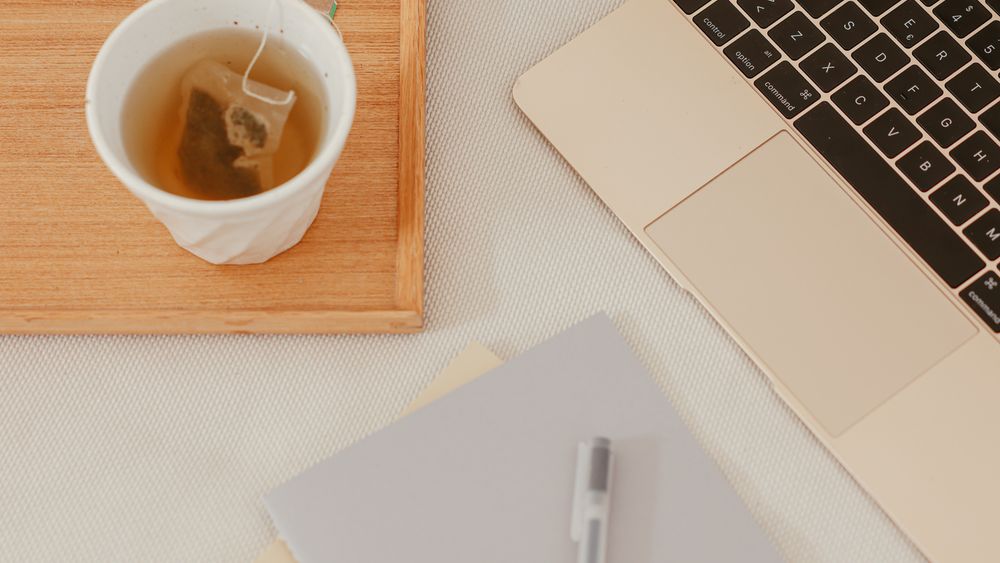
What does a video session ask of you?
A video session asks you to provide the private room yourself. If you are worried about being overheard, it affects what you say.
- A closed room. You speak without being overheard or interrupted.
- Nobody looking in. Make sure nobody is able to look at you while you talk.
- A steady connection. You need reliable internet and a device you set down.
- Headphones. They help you hear, and they do not stop others hearing your voice.
- A dropped connection. If the connection drops, I recreate the session and send you a fresh invite, so you join me again once both ends are online.
- Time around the session. Keep a few minutes free before and after, with no other call booked immediately afterwards.
If you need to talk about your partner, their presence next door affects what you say, so find somewhere private before the session. Read more about couples therapy alone.
What does meeting in the room offer?
Coming to the practice gives you a place and a time set aside for therapy.
- No interruptions. There is no delivery to answer and no colleague waiting for you to rejoin a call.
- The trip. Travelling there and back gives you time to think, and it is a burden if your day is already full.
- More of each other. For couples, sharing a room with the therapist means all 3 people see more of each other’s posture and movement.
- A tense conversation. Some couples find the shared room steadying, and some find video more manageable.
- Each of you. Say how each of you experiences the setting.
Is it possible to switch between online and the room?
Yes, a combination is possible when it is agreed in advance.
- Same therapist. Ask whether you keep the same therapist in both settings.
- Same arrangements. Ask whether the session arrangements are the same.
- A change of plan. Ask what happens if you need to change at short notice.
- Another country. Agree the switch beforehand if you will be joining from abroad.
The purpose of the sessions matters too. Read more about the masterclass in recurring conflict.
How do I choose between the 2 settings?
Start with where you talk freely, then weigh travel, cost and the time around each session.
- Test the room. Ask someone you trust to stand outside the closed door while you speak at your usual volume.
- Read the result. If they hear the words, headphones do not solve it and you need another space.
- Protect the time. Check that the minutes before and after the session are yours.
- Count the travel. If you live abroad or travel often, online appointments make regular therapy easier to keep.
- Say where you are. Tell the therapist where you will be joining from and check that they are able to work with you there.
- Ask both of you. For couples, the arrangement has to work for both people.
Convenience matters, and there is little point in saving the travel if you spend the session holding back because someone might hear you. Read more about expat therapy.
These steps fail when no room you have is private, or when the 2 of you want different settings. That is what the first session is for.
Questions people ask
Is online therapy as good as seeing someone in person?
Studies support video therapy for a range of difficulties. They do not show that both settings suit everyone equally; privacy, your needs and the type of therapy matter.
Is couples therapy possible online?
Yes, when both partners speak freely and take part without interruptions. Discuss the room, camera and seating arrangements with the therapist beforehand.
What do I need for an online therapy session?
A private room, a reliable connection and a device you set down. Headphones help, but they do not stop people nearby hearing your voice.
Is it harder to open up on a video call?
Some people find a screen awkward, and some feel more at ease at home. Tell your therapist if the setting is making it harder to speak or concentrate.
Is a switch from online to in-person sessions possible later?
Yes, when it is agreed with your therapist. Check availability and arrangements before making plans.
You may also find these helpful
Sources
- Norwood and colleagues, Working alliance and outcome effectiveness in videoconferencing psychotherapy: a systematic review and noninferiority meta-analysis, Clinical Psychology & Psychotherapy, 2018
- Seuling and colleagues, Therapeutic alliance in videoconferencing psychotherapy compared to psychotherapy in person: a systematic review and meta-analysis, Journal of Telemedicine and Telecare, 2024
How this article was written. I choose the subject and the angle. An AI assistant researches and drafts. Nothing is published until I have read it, corrected it and stood behind every clinical statement in it. The professional and clinical judgement is mine and mine alone.