
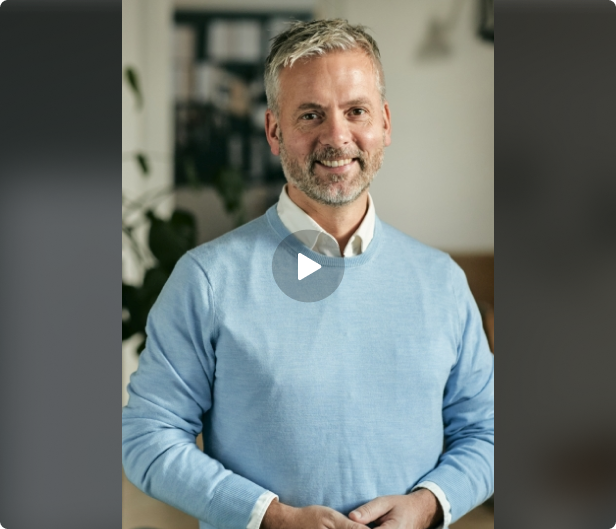
In this short video, I explain how I use emotion-focused therapy to help you understand your emotional life abroad across cultural and linguistic differences.
You can also send me an email
Expat EFT psychotherapy Copenhagen is individual psychotherapy for people whose emotions or relationships are being shaped by life between cultures.
I was born and raised in England and Denmark and, as an adult, have moved to, lived in and worked in nine countries. I combine that experience with emotion-focused therapeutic work.
You can request a free discovery call, book a session with me or explore the wider expat therapy cluster.
The reviews shown here are shared by clients who have worked with me in therapy and chosen to reflect on their experience. They are collected via Google and displayed through an independent verification service, offering an open and transparent picture of how my work is experienced.
I am Mark Colclough, MA, a psychotherapist and EFT couples therapist specialising in expats and international couples. I work in English and Danish, from my practice in central Copenhagen and online.
Practising since 2004, I bring a bicultural perspective to work with individuals and couples across languages and cultural contexts. My work integrates depth-oriented psychotherapy with approaches such as integral psychotherapy, Gestalt therapy, Jungian psychoanalysis, and object relations theory. I also have specialist training in attachment theory, narcissism, and borderline personality disorder.
For support with life between cultures, explore expat psychotherapy or expat couples therapy. My practice is supported by ongoing training and supervision. To read more about my background, training, and approach, visit About me.

I regularly meet with experienced senior psychotherapists in Denmark and abroad to reflect on my work, challenge my thinking, and continue developing my skills. This ongoing process supports the quality of my individual and couples therapy, helping me offer thoughtful, ethical, and effective care.
My focus is simple: excellence, integrity, and impact.
If you want me to call you ASAP, or if you want to book me, use the buttons below.
You are welcome to get in touch. We can clarify what’s the right therapy for you.
You can also send me an email
Emotional and cultural differences have become difficult to separate despite your best efforts to understand, adapt and communicate.
You need this service when your emotional life abroad no longer makes sense through practical explanations alone. Strong reactions, emotional distance, repeated misunderstanding or loss of belonging are sufficient reasons to seek support.
In more than 21 years of practice, I have learned that culture shapes how people express need, conflict, vulnerability and care. I will help you identify the emotion beneath the pattern and determine what needs to change.
You need support when fear, anger, grief or shame is affecting your sleep, concentration, work or ability to be present with other people. You may be functioning outwardly while using most of your energy to contain what is happening inside.
I help you identify which emotion is active, what triggered it and what it is asking you to notice. If distress is already governing your day, book a focused psychotherapy session with me.
Your reaction may feel too large for the immediate event, or you may understand the situation intellectually without understanding why your body and emotions respond so strongly.
I help you connect the present reaction with the need, injury or meaning underneath it. Understanding does not excuse harmful behaviour, but it gives you a realistic place from which to change it.
Uncertainty can make you monitor other people, replay conversations or seek answers that provide relief only briefly. The more urgently you try to feel safe, the harder it can become to trust your own judgement.
I help you reach the fear underneath the urgency, steady yourself and identify what reassurance can and cannot provide. You can ask for clarity without allowing fear to dictate every action.
You may become numb, highly practical, distant or unable to find words when emotional intensity exceeds what you can manage. Shutting down can protect you in the moment while leaving important needs unattended.
I help you approach the experience at a pace you can tolerate, recognise what the numbness protects and regain access to useful emotional information without becoming flooded.
You may move rapidly between fear, anger, longing and numbness. One moment you want contact or action, and the next you want to disappear from the situation entirely.
I slow these shifts down with you and help you understand what activates each one. The goal is not to choose one feeling as the truth, but to develop enough stability to hear what each reaction is communicating.
You may be trying to make an important decision while panic, shame, grief or exhaustion is shaping every option. Waiting may feel unbearable, but acting immediately may create consequences you do not want.
I help you separate emotional urgency from reliable information, clarify your values and identify what must be known before you decide. The decision remains yours, but you do not have to make it without structure.
If the crisis is active now, request a call or book a session so that we can establish what kind of immediate support you need.
You can also send me an email
Your journey is unique, and you do not have to walk it alone.
Fill out your contact information and I will call as soon as possible.
Support when you need it most.
Your message is treated confidentially and used only to respond to your enquiry. It is not sold or used for advertising. Please avoid including detailed or highly sensitive clinical information in this form. Information about processing, service providers and retention is available in the Privacy Policy.
Understanding why you feel this way matters, but therapy must also change how you respond, communicate and decide.
I will help you identify your emotions accurately, understand the needs and meanings beneath them and transform responses that no longer serve your present life. Insight is valuable only when it gives you a different way of living.
My role is active and structured. I will stay close to your immediate experience, challenge avoidance and help you work with emotion rather than being governed by it or cutting yourself off from it.
Emotional crises rarely consist of one clean feeling. Anger may protect hurt, numbness may protect fear, and shame may make a legitimate need feel unacceptable.
I help you distinguish the primary emotion from the reactions built around it. This brings clarity because you can respond to what is actually happening rather than fighting the loudest surface reaction.
Yes. Regulation means remaining present enough to understand the emotion and choose how to respond. It does not mean forcing yourself to calm down or pretending the feeling is unreasonable.
I help you notice activation earlier, slow the process and stay connected to your judgement. You learn to tolerate useful emotion while preventing it from controlling every action.
Emotions carry information about needs, losses, threats, boundaries and desires. The message can become difficult to hear when the emotion arrives through panic, self-criticism or overwhelming intensity.
I help you identify the underlying need and decide how it should be expressed or acted upon. Not every emotional impulse should be followed, but every important emotion deserves to be understood.
Shame can turn a painful event into a judgement about your entire identity. You may hide, become harsh with yourself or organise your life around preventing other people from seeing what you fear is wrong with you.
I help you separate responsibility from self-condemnation and approach the vulnerable experience beneath the shame. Change becomes more possible when you can remain in contact with yourself.
Clear decisions become possible when you separate panic, guilt and imagined consequences from the evidence in front of you. We identify which emotions contain useful information and which are repeating an older danger.
I will offer my professional view and challenge avoidance, but I will not make the decision for you. The final choice must remain connected to your values, needs and present reality.
Emotional change should appear in how you speak, set boundaries, recover from distress and remain present in difficult situations. You should notice greater choice before an automatic reaction takes over.
I help you translate what happens in the session into specific actions in everyday life. The goal is not permanent calm. It is a stronger capacity to understand yourself and respond effectively.
You can also send me an email
You do not need a diagnosis, perfect words or a complete history. I begin with what feels emotionally urgent now.
I begin by listening carefully, identifying the immediate emotional difficulty and giving the session a clear direction. You will not be required to explain your entire life before meaningful work begins.
If you need sustained work beyond the focused phase, you can continue through structured individual psychotherapy with me. When the difficulty centres on a relationship and both partners are ready, long-term couples therapy with me may be appropriate. For continuity and significant savings, you can consider a structured therapy bundle.
I ask what happened, what feels most urgent and which emotion is hardest to understand or manage. We identify whether immediate stabilisation, a decision, a boundary or a difficult conversation needs priority.
Before the session ends, I will offer an initial emotional understanding and concrete next steps. You should know what we are working on and what form of continued support I recommend.
Emotion-focused work is not useful if the process repeatedly overwhelms you. I adjust the pace, structure and depth so that you can remain present enough to understand what is happening.
This may involve grounding, slowing the experience, working with only one part of it or building more stability before approaching painful material. I will not confuse emotional intensity with therapeutic progress.
our work should become structured psychotherapy when the immediate crisis has settled but the emotional pattern, trauma, shame or recurring difficulty still requires sustained attention.
You can continue through long-term individual psychotherapy with me. Containing the emergency matters, but it is not always the same as completing the deeper work.
During an active crisis, sessions may need enough frequency to maintain continuity and prevent you from repeatedly returning to the same level of overwhelm between appointments.
I will recommend the pace I believe your situation requires. As stability and choice improve, sessions can become less frequent. The schedule should serve your work rather than create dependency.
A structured plan makes sense when the focused difficulty will require more than one conversation and you want the security of protected time for continued work.
A structured therapy bundle can provide significant savings and continuity. I recommend one only when it serves a clear purpose, and we review progress openly.
The focused phase has done its job when you can understand and tolerate the central emotions without repeatedly being pulled into the same emergency. You should have clearer choices and know what to do if the intensity returns.
You may then stop, attend less frequently or continue with structured psychotherapy. I will help you make that transition deliberately rather than allowing therapy to continue without an endpoint.

It is immediate individual psychotherapy using Emotion-Focused Therapy when difficult emotions are disrupting your ability to cope, communicate or decide.
I help you understand what the emotion is protecting, work with it safely and create a response that fits your present life.
Come when emotional distress is affecting your sleep, concentration, work, relationships or ability to make sound decisions.
You do not need a diagnosis or a perfectly formulated problem. If your usual ways of coping no longer work, that is enough reason to begin.
Yes. EFT helps us slow the experience down, identify which emotion is active and understand the need or meaning beneath it.
I adjust the pace so that you can work with the emotion without repeatedly becoming flooded or losing contact with your judgement.
Yes. Numbness is often an important protective response rather than an absence of psychological material.
I help you understand what the numbness protects and approach the underlying experience carefully. You will not be pushed into intensity before you can use it.
Yes. Shame often turns a painful experience into a global judgement about who you are, while harsh self-criticism attempts to prevent further rejection or failure.
I help you understand these responses, reach the vulnerable experience underneath them and develop a more accurate and effective relationship with yourself.
I begin with what feels urgent, identify the emotions and reactions maintaining the crisis and give the session a clear structure.
By the end, I aim to give you an initial understanding and concrete next steps. You should know what we are working on and why.
One session may restore direction. A more established emotional difficulty may require several Expat EFT psychotherapy sessions or a transition into structured psychotherapy.
I give you a clear recommendation and review progress openly. Therapy continues because it is useful, not because the arrangement has become automatic.
Yes. Expat EFT psychotherapy can be conducted online when you have enough privacy and stability to engage with the work safely.
I will help you decide whether online or in-person work is the better format for your immediate situation.
The current fees are available when you book a focused psychotherapy session with me. Payment may be made by invoice and bank transfer or, where offered, by card through Stripe. The total amount payable is shown before you confirm payment.
If continued work is appropriate, a structured therapy bundle can provide significant savings and continuity.
Book an expat eft psychotherapy session with me and briefly tell me what feels most urgent.
You do not need a diagnosis or complete explanation. If the available times do not reflect the urgency, contact me directly.
You can also send me an email
My mission is to help individuals, couples and families rediscover connection, communicate with understanding, and build a stronger, more loving relationship that can thrive through any challenge.
My vision is to create a world where every person in my therapy room feels supported, connected, and empowered to grow, and to step one step closer to your Self.

Join the newsletter and receive five practical tips for nurturing healthy relationships – with yourself and the people around you.
No spam. Just mindful insights.
I have designed this website to offer you a private, ad-free experience. Your personal data is never used, sold or shared with third parties. A few cookies are necessary for the site to work. If you say yes to helping me, I would also like to use one or two that show how the site is used, so I can improve its flow and content for you. It is completely pseudonymous, which means it does not identify you by name.
Please fill out this information and I’ll contact you soon. Your details are used to respond to your enquiry, arrange a consultation and manage any resulting professional or administrative relationship. Please avoid detailed or highly sensitive clinical information.
Email delivery, opens and link clicks may be recorded through SMTP2GO as explained in the Privacy Policy.
Submitting this enquiry does not subscribe you to marketing. Please read the Privacy Policy for information about processing and retention.
P.S. I’ll call you in a bit!
